

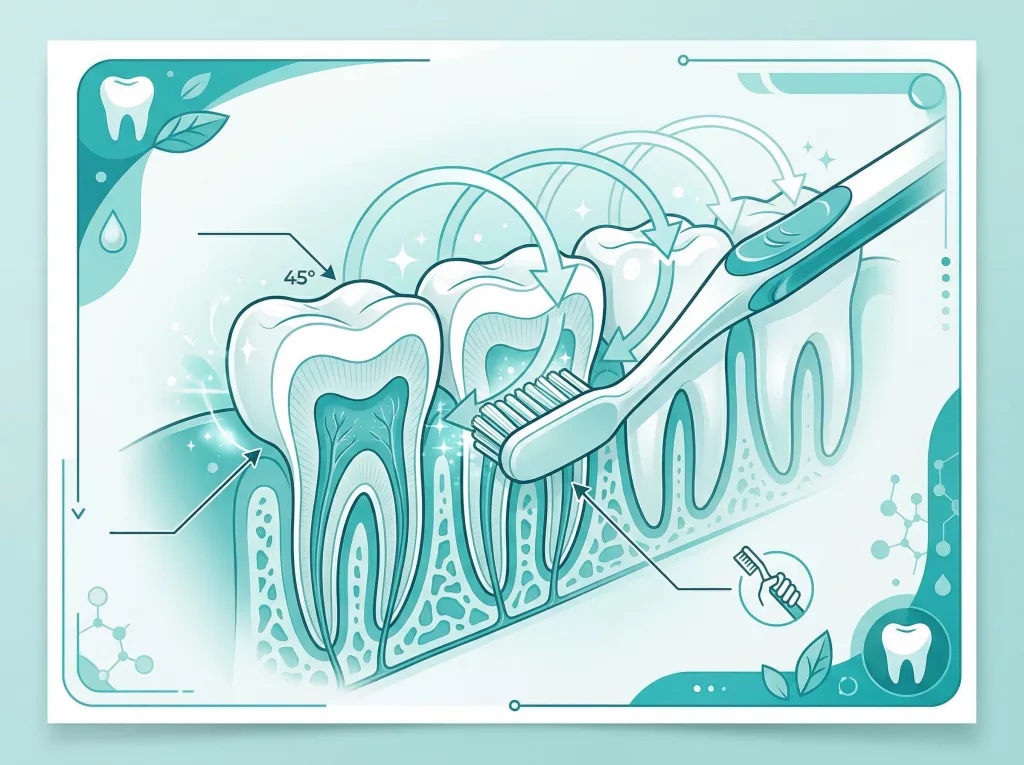
La mayoría de nosotros nos hemos estado cepillando los dientes desde que éramos niños, pero ¿alguien nos enseñó alguna vez realmente cómo hacerlo? cómo ¿Cómo hacerlo correctamente? Quizás te sorprenda saber que la mayoría de las personas se cepillan los dientes con demasiada fuerza, sujetan el cepillo de forma incorrecta o se saltan secciones enteras de la boca sin darse cuenta.
At Estudio Dental Dr. GEn nuestra clínica, ubicada en 2500 SW 107th Ave #45 en Miami, FL, vemos de primera mano cómo pequeños errores al cepillarse los dientes pueden causar grandes problemas: desde acumulación de placa y caries hasta retracción de las encías e incluso pérdida de dientes. ¿La buena noticia? Con solo unos sencillos ajustes, puedes proteger tu sonrisa para siempre.
En esta guía, el Dr. Yordanka González, DMD, te guía paso a paso a través de la técnica correcta de cepillado dental, para que puedas salir de tu próximo Limpieza dental en Miami con un excelente boletín de calificaciones.
¿Por qué es importante la técnica de cepillado?
La forma en que te cepillas los dientes determina directamente si la placa se elimina o si permanece y causa daños. Una mala técnica de cepillado es una de las causas más comunes —y más prevenibles— de caries, acumulación de sarro y enfermedad periodontal que vemos en nuestra clínica. Clínica dental de Miami.
Según el Asociación Dental Americana (ADA), el cepillado adecuado elimina la fina y pegajosa película de bacterias llamada las placas que recubre tus dientes durante todo el día. Cuando la placa no se elimina, se endurece y se convierte en escala (también llamado cálculo), que solo puede ser eliminado por un profesional dental durante un limpieza dental profesional.
Con el tiempo, la acumulación de placa y sarro sin control conduce a:
- Las caries — caries causada por bacterias que corroen el esmalte
- Gingivitis — Enfermedad periodontal en etapa temprana con sangrado e inflamación
- Periodontitis — Enfermedad periodontal avanzada que provoca retracción de las encías y pérdida ósea.
- Erosión del esmalte — adelgazamiento de la capa protectora externa de los dientes
- El mal aliento — olor persistente debido a la actividad bacteriana
La técnica correcta, practicada con constancia, es tu primera y más eficaz defensa contra todos estos problemas. Piensa en el cepillado como tu inversión diaria en una sonrisa sana y radiante.
¿Qué cepillo de dientes y pasta de dientes debo usar?
La ADA recomienda un cepillo de dientes de cerdas suaves y una pasta dental con flúor; estas son las dos herramientas más importantes para una buena higiene dental. Utilizar las herramientas equivocadas puede empeorar las cosas, no mejorarlas.
Elegir el cepillo de dientes adecuado
Cuando se trata de cepillos de dientes, la palabra clave es blandoLas cerdas duras o medianas pueden dar la sensación de limpiar mejor, pero pueden causar recesión de las encías y desgastar esmalte Con el tiempo. El sello de aprobación de la ADA es su mejor guía a la hora de comprar.
Cepillo de dientes eléctrico vs. manual: ¿cuál es mejor? Aquí tienes una comparación rápida:
| Elemento | Cepillo de dientes eléctrico | Cepillo de dientes manual |
|---|---|---|
| Remoción de placa | Superior: los cabezales oscilantes eliminan más placa. | Eficaz cuando se utiliza con la técnica adecuada. |
| Facilidad de uso | Más fácil: hace gran parte del trabajo por ti. | Requiere la técnica correcta y un esfuerzo constante. |
| Ideal para | Aparatos ortopédicos, implantes, movilidad reducida, niños | Viajes, presupuesto ajustado, buena destreza manual. |
| Seguridad de las encías | Más suaves: la mayoría tienen sensores de presión. | R |